.png)
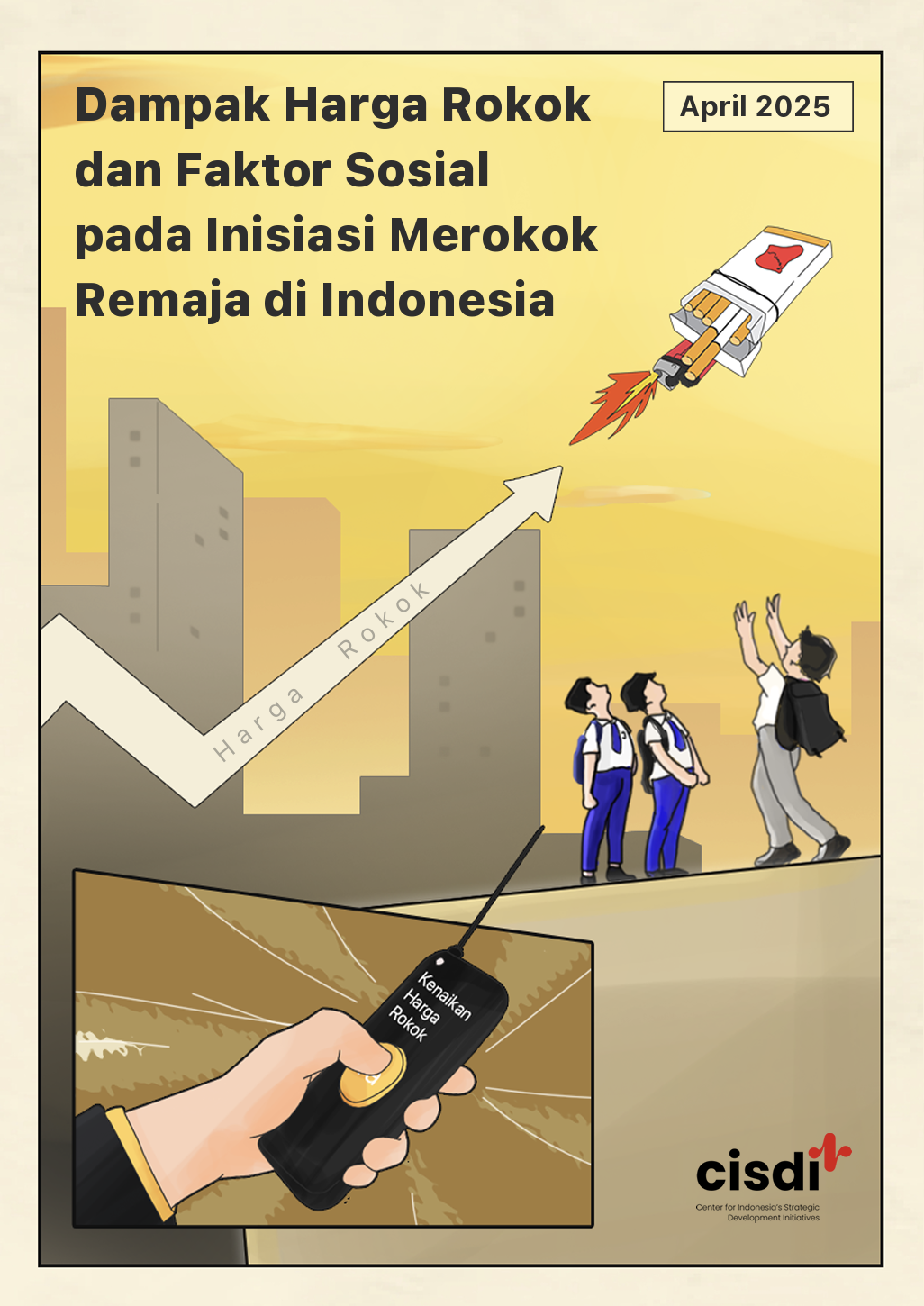
Consumption of harmful products such as cigarettes at an early age can threaten adolescents with prolonged tobacco use and adverse health effects. Although previous studies discussing the impact of cigarette prices and social factors on smoking initiation among adolescents have been widely found at the global level, we realise that few studies have been conducted to investigate the determinants of smoking initiation among Indonesian adolescents.
This study examines the impact of cigarette prices, parental smoking habits, and exposure to secondhand smoke on smoking initiation among young people in Indonesia using survival analysis techniques. Information on smoking behaviour and socio-demographic characteristics of adolescents aged 10 to 18 years was obtained from the 2023 Indonesia Health Survey (N=117,983), while cigarette prices were constructed from the National Consumer Price Index for Selected Goods and Services from 2010 to 2023.
We found that higher cigarette prices, particularly for filtered kretek (cigarettes with clove additives), significantly reduced the risk of smoking initiation, with a 1% increase in price associated with a 2.2% decrease in the risk of smoking initiation. Meanwhile, having smoking parents and daily exposure to secondhand smoke increased the risk of adolescents starting to smoke.
This study suggests that to reduce smoking rates among adolescents, the government needs to significantly increase cigarette prices by setting higher excise taxes and minimum retail prices while simultaneously reducing tobacco excise tax rates to reduce the availability of cheaper tobacco products. Additionally, access to smoking cessation services and enforcement of smoke-free zones (SFZs) should be prioritised.